
What the Ruins of Bloodborne's Yharnam Actually Tell Us
A close read of environmental storytelling in a city built on decay, tracing how architecture substitutes for dialogue throughout the campaign.
From forgotten kingdoms to sprawling overworlds, we chart the geography, lore, and design choices behind the genre's biggest maps.
Browse ArchiveRecent deep-dives into the worlds we keep coming back to
A cartographer's take on how the Lands Between hides its verticality in plain sight, and why the map rewards obsessive backtracking.
Revisiting the scale-shifting overworld design that made walking across a sleeping giant feel like discovery rather than filler.
How a delivery sim turned empty terrain into an emotional through-line, and why the world design still divides readers.
A look back at the cult classic that built an entire ecosystem inside a penal colony, long before open-world design had a template.
Why a world without a traditional story still generates some of the most memorable player-made legends on the water.
An analysis of sky islands and depths as a rewrite of Hyrule's geography, not just an expansion of it.
New continent breakdowns, lore threads, and world-design essays land regularly — no map required, just curiosity.
The pieces our readers in Tanta and beyond have been discussing this week
A close read of environmental storytelling in a city built on decay, tracing how architecture substitutes for dialogue throughout the campaign.
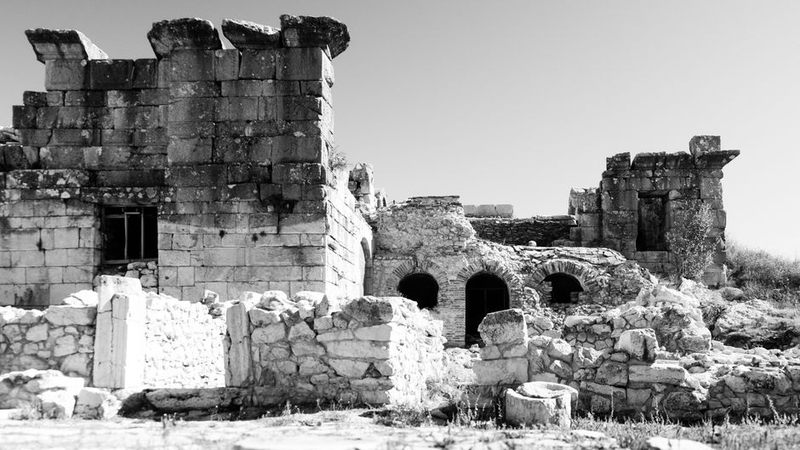
We break down pacing tricks hidden in open-world map layouts, from sightline bait to reward density curves that keep exploration compelling.
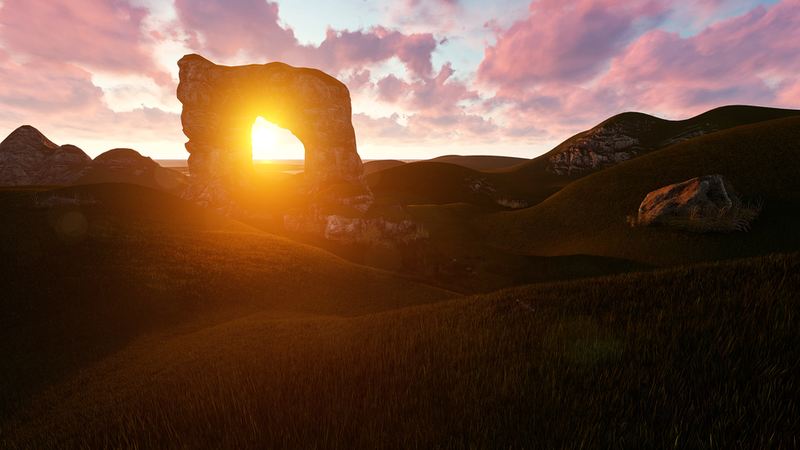
Piecing together what's publicly known about the game's ambitious galaxy-spanning world from years of trailers, interviews, and leaked concept art.

Why an island with no fast travel markers still gets cited as one of the most cohesive fantasy settings the genre has produced.

A look at how post-apocalyptic set dressing turns a real city's bones into a believable, explorable fantasy frontier.
Common questions we get about the blog and how we cover open-world games
Yes, we occasionally publish guest essays on world-building, lore analysis, and open-world design, provided the piece brings original research or a distinct angle we haven't already covered.
New pieces go up several times a month, mixing longer world-design retrospectives with shorter lore breakdowns and guide-style geography explainers.
Both. We deliberately balance big-budget continents with smaller, less-covered worlds built by independent studios that deserve more critical attention.
Absolutely — reader suggestions shape a good portion of our editorial calendar, especially for underrepresented worlds and older titles worth revisiting.
Lore and story-focused pieces are spoiler-heavy by nature, so we flag those clearly in the headline or intro so readers can choose what to click.
We treat game worlds as maps worth studying, examining how geography shapes pacing, discovery, and player memory.
Our writers cross-reference in-game texts, developer interviews, and community wikis to build essays that go past surface-level summaries.
Topic suggestions from our community regularly become full articles, keeping the archive grounded in what enthusiasts actually want explored.
Coverage spans sprawling AAA continents and smaller indie worlds alike, avoiding the trap of only writing about the five most obvious titles.